
Custom CRM Development Services
Zeoark Technologies builds custom CRM software for sales, support and operations teams. Connect customer records, sales pipelines, reporting and workflow automation with the tools your business already uses.
Overview
01Scope mapped
before build
02Design, API,
and QA aligned
03Launch path
kept visible
Build a CRM around the wayyour sales and support teamsactually work.
Bring customer data, pipeline stages, follow-ups, and reporting into one system shaped around your real workflows.
We map permissions, data migration, integrations, and automation before build so the CRM is useful to the people who rely on it every day.
Read Morebefore build
and QA aligned
kept visible
INCLUDED SCOPE
What this service covers
What you get with CustomCRM Development Services
Clearer customer records, more reliable handoffs, and dashboards and automation built around your team's process.
Clear product direction
Prioritized workflows, release scope, technical risks, and a practical roadmap agreed before build work starts.
Software built to last
Maintainable architecture, documented APIs, and permission models that hold up as the product and the team grow.
A launch you can trust
QA, performance checks, and a monitored release path so the first version reaches real users without surprises.
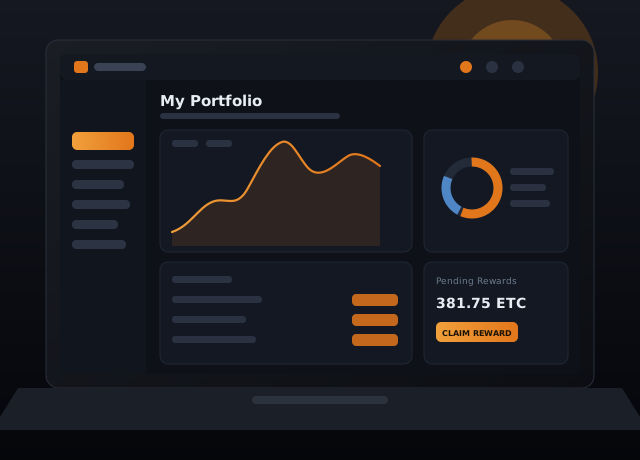
Why Zeoark
One team for CRM workflows,integrations, QA, and adoption.
We connect discovery with data design, user permissions, integrations, testing, and rollout so the CRM improves daily work instead of adding another layer of admin.
- Business-first discovery and technical planning
- Practical AI and automation options when they create value
- Clean handoff, documentation, and ongoing improvement support
How We Select Technology
Every stack decision hasto support speed, reliability,and future change.
For MVPs, we prioritize speed without painting the product into a corner. For SaaS and CRM platforms, we focus on maintainable architecture, permission models, reporting, integrations, and clean deployment. For AI features, we keep human control, data privacy, and workflow value at the center.
Speed without
shortcuts Secure by
design Scalable by
default Built for
real teams
shortcuts Secure by
design Scalable by
default Built for
real teams
Discovery
We choose the stack around business goals, timeline, integrations, and long-term maintainability.
Architecture
We define API structure, database flow, permissions, deployment path, and future scaling needs before build.
Build
We develop clean interfaces, stable backend logic, integrations, automation, and QA-ready workflows.
Launch
We support deployment, monitoring, testing, optimization, and practical iteration after release.
Built with the tools your productcan grow on.
We choose practical technologies for each product, from fast MVP stacks to scalable SaaS architecture, APIs, automation, and cloud deployment.
Custom CRM development FAQs
Plan your CRM scope, integrations, data migration and launch with clear answers to common project questions.
A custom CRM is worth considering when your sales stages, customer data, reporting or integrations do not fit an off-the-shelf setup. Start by identifying the workflows that cause repeated data entry or manual follow-ups. We map those requirements and assess whether to configure your current tools, extend them or build a focused CRM around your process.
We assess connections to your website forms, email, accounting tools, customer portals and other business systems through supported APIs. Discovery covers the data to exchange, access permissions, update frequency and integration limits. The agreed scope defines which connections belong in the first release and how errors and duplicate records should be handled.
Migration planning starts with your existing customer records, fields and data quality. We map fields, validate records and use test imports before the agreed transfer. Access roles, backups and checks are planned alongside the migration. Any industry-specific data requirements should be identified during discovery so they can be assessed before development.
After release, the next steps can include monitoring, user feedback, training, fixes and phased improvements. Support responsibilities and the next feature priorities should be agreed as part of the project scope. Starting with a focused release gives your team a chance to test the workflow before adding more automation and reporting.
The main factors are the number of workflows and user roles, reporting complexity, integrations, data migration and the quality of the existing data. A focused first release is easier to estimate than a full replacement of every business system. Share your must-have features and constraints so we can discuss a realistic scope before estimating delivery.
AI features can be assessed for a specific task, such as summarizing customer information or helping a team find relevant records. We first consider data access, accuracy, privacy and how a person will review the output. The feature should solve a defined workflow problem, with clear limits and a fallback when the output is uncertain.
Project Inquiry
Build a CRM around your workflow.
Tell us about your sales process, current tools, user roles and reporting needs. Planning a project from the US, Canada or UK? Include your preferred meeting hours so we can discuss scope and collaboration.