
SaaS Application Development
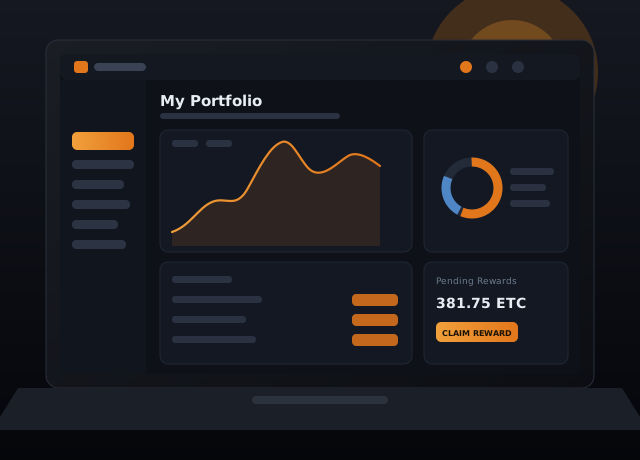
Zeoark Technologies builds custom SaaS applications with subscriptions, user roles, dashboards and integrations. Start with a focused MVP, then expand your platform as you learn from customers.
Overview
01Scope mapped
before build
02Design, API,
and QA aligned
03Launch path
kept visible
Build a SaaS platform aroundthe customer workflow,not a list of features.
Plan account access, tenant boundaries, subscriptions, dashboards, and integrations around the jobs your customers need to complete.
Start with a usable first release, validate it with real customers, then expand billing, reporting, and automation without rebuilding the foundation.
Read Morebefore build
and QA aligned
kept visible
INCLUDED SCOPE
What this service covers
What you get with SaaSApplication Development
A defined MVP scope, scalable platform architecture, and a release plan for subscriptions, user roles, and integrations.
Clear product direction
Prioritized workflows, release scope, technical risks, and a practical roadmap agreed before build work starts.
Software built to last
Maintainable architecture, documented APIs, and permission models that hold up as the product and the team grow.
A launch you can trust
QA, performance checks, and a monitored release path so the first version reaches real users without surprises.
Why Zeoark
One team for SaaS product strategy,platform engineering, QA, and growth.
We connect product decisions with tenant design, billing flows, APIs, testing, and deployment so each release supports the next one.
- Business-first discovery and technical planning
- Practical AI and automation options when they create value
- Clean handoff, documentation, and ongoing improvement support
How We Select Technology
Every stack decision hasto support speed, reliability,and future change.
For MVPs, we prioritize speed without painting the product into a corner. For SaaS and CRM platforms, we focus on maintainable architecture, permission models, reporting, integrations, and clean deployment. For AI features, we keep human control, data privacy, and workflow value at the center.
Speed without
shortcuts Secure by
design Scalable by
default Built for
real teams
shortcuts Secure by
design Scalable by
default Built for
real teams
Discovery
We choose the stack around business goals, timeline, integrations, and long-term maintainability.
Architecture
We define API structure, database flow, permissions, deployment path, and future scaling needs before build.
Build
We develop clean interfaces, stable backend logic, integrations, automation, and QA-ready workflows.
Launch
We support deployment, monitoring, testing, optimization, and practical iteration after release.
Built with the tools your productcan grow on.
We choose practical technologies for each product, from fast MVP stacks to scalable SaaS architecture, APIs, automation, and cloud deployment.
SaaS development FAQs
Answers about SaaS MVP scope, subscriptions, multi-tenant architecture, integrations and product growth.
A SaaS project can cover product discovery, user experience design, application development, integrations, testing and deployment. The core platform may include account access, user roles, dashboards, subscriptions and administration tools. We define the scope around the problem your customers need to solve and the smallest release that lets them use the product.
Yes. A SaaS MVP focuses on the main customer workflow and the features needed to test it with real users. Discovery separates essential functionality from later ideas, identifies integration risks and sets release priorities. This gives you a clearer basis for estimating development and deciding what to improve after the first launch.
Multi-tenant architecture supports multiple customer organizations within a platform. Planning covers how their data is separated, which roles can access it, and how configuration, reporting and subscriptions work for each organization. The architecture should reflect your customer requirements and expected usage, with testing of tenant boundaries and permissions included in the scope.
Subscriptions, billing workflows and integrations can be included in the agreed scope. We assess the payment or service provider, available APIs, account lifecycle and the information that needs to move between systems. Plan changes, failed payments and access permissions should be considered early because they affect both the customer experience and administration.
SaaS development cost and delivery time depend on customer workflows, tenant isolation, user roles, billing, integrations, data migration and testing. Existing designs or software also affect the scope. Share your product brief and must-have features so we can define a focused first release before estimating cost and timing.
AI features can be explored when a clear customer task justifies them. We assess the data available, the quality of the output, privacy requirements and how users can review or correct results. A small evaluated feature can establish whether the approach is useful before it becomes a larger part of the product.
Project Inquiry
Turn your SaaS idea into a working product.
Share your target users, core workflow, subscription model and must-have integrations. We can discuss the first release, technical risks and next steps for your SaaS product.